

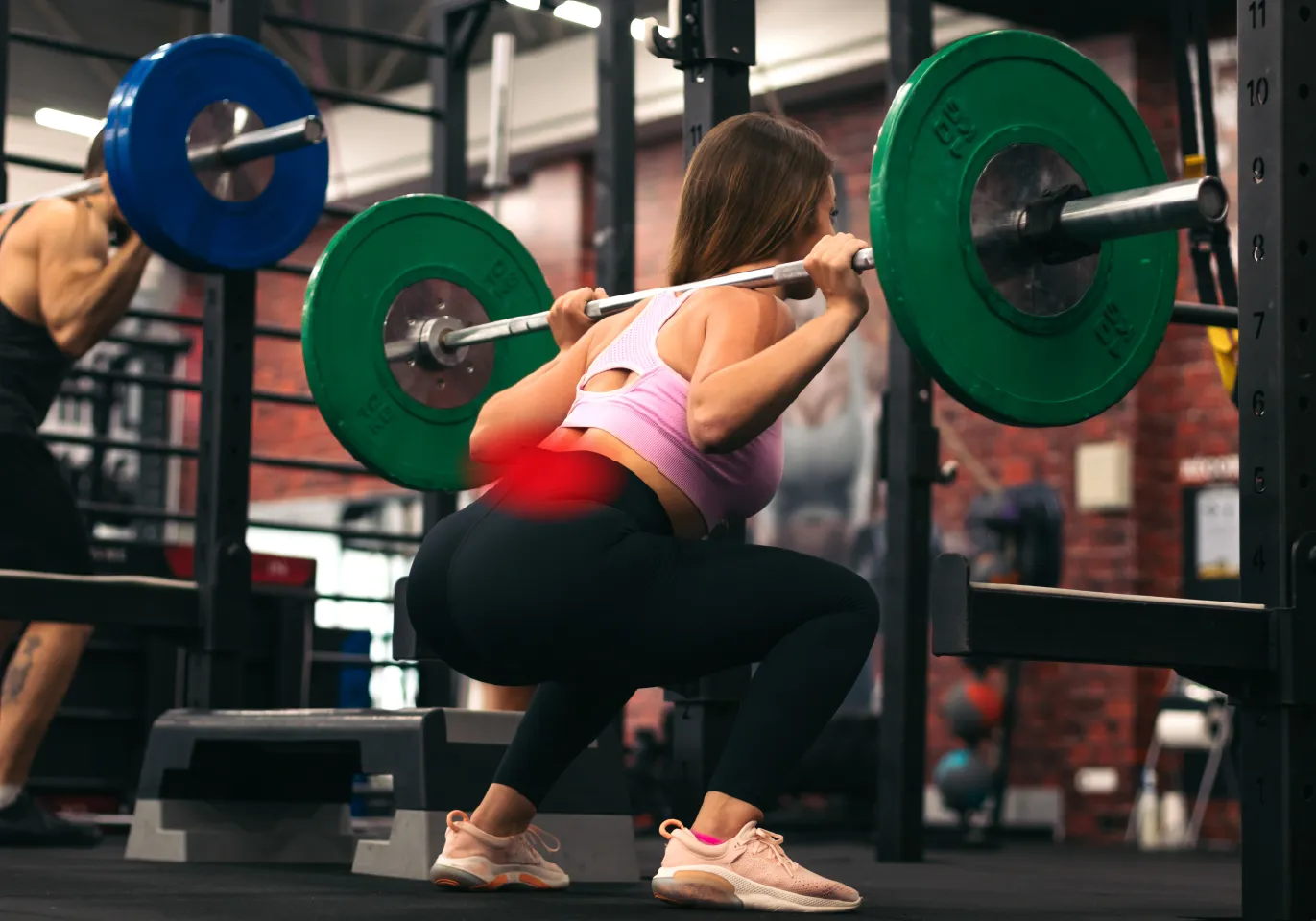
Squatting is a fundamental movement that’s part of everyday life—whether you’re lifting groceries, picking up a child, or exercising at the gym. But when done incorrectly, squats can be one of the leading causes of low back strain and injury.
At Theramedic Rehab, we work with patients across Houston and Michigan to teach safe movement techniques, especially for high-risk tasks like squatting. The goal isn’t just recovery—it’s prevention.
Why Squatting Can Lead to Low Back Pain
Squats demand coordination between multiple joints and muscle groups. When form is off, or the core is weak, the spine can take on too much stress, leading to:
- Muscle strains
- Disc irritation
- Sciatic symptoms
- Facet joint pain
- Long-term lower back stiffness
Most low back injuries from squatting are not due to a single incident, but from repeated poor mechanics over time—whether at work, in the gym, or at home.
How to Squat Without Hurting Your Back
Squatting is a natural and essential movement we use daily—whether lifting, exercising, or simply getting out of a chair. However, when done with poor form, it can quickly become a major cause of low back injuries. At Theramedic Rehab, we help patients across Houston and Michigan learn how to squat safely to prevent strain on the lumbar spine. Maintaining a neutral spine, engaging the core, and hinging at the hips instead of bending at the lower back are all key techniques that reduce the risk of injury while maximizing strength and control.
Proper squat mechanics also involve keeping the knees aligned over the toes, avoiding excessive depth beyond your body’s mobility limits, and warming up the muscles beforehand. These elements are essential for reducing pressure on the lower back and allowing your body to distribute the load correctly. Whether you’re returning to fitness, lifting at work, or simply looking to move better, squatting the right way can protect your back and support long-term physical health. At Theramedic Rehab, our therapists are here to guide you with personalized movement training that fits your lifestyle.
Common Mistakes That Cause Back Pain During Squats
Even seasoned gym-goers make these errors, especially without supervision:
- Holding breath during the movement
- Bouncing at the bottom of a squat
- Using too much weight too soon
- Ignoring minor back discomfort
- Squatting with shoes that lack proper support
At Theramedic Rehab, we often assess these habits in athletes, warehouse workers, parents, and even office workers performing routine lifting tasks.
How Physical Therapy Can Help
If you’re already feeling discomfort from squatting—or want to avoid future issues—our physical therapists can:
- Perform a movement and posture analysis
- Identify imbalances or mobility limitations
- Teach proper squatting and lifting mechanics
- Provide strengthening exercises to support your spine
- Guide you through safe progression if you’re returning to fitness


